to top

The Five Love Languages

the-five-love-languages-book

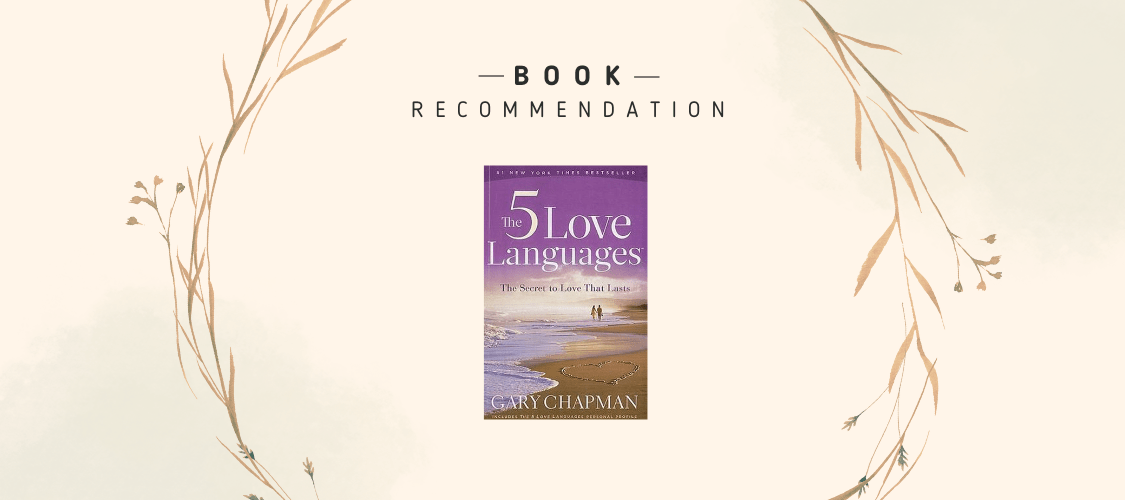
by Gary D Chapman A renowned author, speaker, and counsellor known for his best-selling book "The Five Love Languages," which explores how understanding and expressing love in different ways can transform relationships. "The Five Love Languages" by Gary Chapman is a transformative relationship guide that explores the concept that individuals express and receive love in distinct ways. Chapman identifies five primary love languages: Words of Affirmation, Acts of Service, Receiving Gifts, Quality Time, and Physical Touch. According to Chapman, people have a predominant love language through which they feel most loved and appreciated. Through understanding these languages is essential for building and maintaining strong and fulfilling relationships. The book delves into each love language, explaining how individuals with different preferences might perceive gestures...

Continue reading

Meaning of Acting Out of Love VS Out of Fear

Post banner acting out of love meaning

[soundcloud url="https://soundcloud.com/rise-and-thrive-women/meaning-of-acting-out-of-love?si=a492b9a1e00249a8a4c6865778423e7a&utm_source=clipboard&utm_medium=text&utm_campaign=social_sharing" params="color=ed806f&auto_play=false&hide_related=false&show_artwork=true&visual=false" width="100%" height="166" iframe="true" /] “Fear makes strangers of people who would be friends”. It’s a quote by Shirley MacLaine and I find it very true. If you ever found yourself acting in a way that even you cannot recognise while in a relationship, it’s most likely because you were acting from the position of fear. Acting out of love has meaning, so let's find out about it and its counterpart – acting out of fear and how to act from the position of love instead. Acting Out of Love – Meaning You have probably heard of people doing things for love and out of love, but this isn’t quite what we’re talking about here. When we take action based on...

Continue reading

6 Reasons Why Negative Emotions Are Not Inherently Bad

6 Reasons Why Negative Emotions Are Not Inherently Bad

There are no inherently bad emotions. Everyone experiences emotions that society labels as negative, but one thing I fail to understand is why we are criticising them and trying to push them into the dark box of things we wish didn’t exist. Are negative emotions truly bad? Let’s find out more about it. Emotional Education In The Early Years When you were feeling sad as a child, did your parents ever ask you why that is and what emotions you were experiencing? If your answer is yes, you are very fortunate and possibly one happy adult now. Sadly, most parents don’t ask or assist their children in processing and understanding their emotions. Instead, what we usually hear is “stop being sad” or...

Continue reading

How to Start Journaling for Guaranteed Self-growth and its Benefits

How to Start Journaling for Guaranteed Self-growth

Therapy is one of the best investments you can make in yourself. It can help you initiate the resolution of certain issues and provide you with useful tools. However, there’s another excellent tool you can start using today, and it’s free – journaling. And you can take it with you everywhere! Let’s delve into why it’s a fantastic idea and how to start journaling for self-growth today. What is Journaling I’ve always wanted to keep a diary, where I describe events in my life, so that I can revisit them years later and see what was happening and when. However, journaling is more than that; it involves sharing your deep thoughts, emotions, experiences and observations with a piece of paper. Thus, a...

Continue reading

How negative thoughts thrive in your mind

Personal development starts with your mindset. Stop negative thoughts

Throughout my life, I never received much emotional education. I used to believe that staying busy and avoiding dwelling on things would bring me peace, enough to maintain healthy relationships and a generally smooth existence with myself, ignoring my negative thoughts. As it often happens, the coping mechanisms we develop during childhood and early adulthood might work well for a while, but eventually, they become outdated for the current stage of life we're in. Life got pretty hectic as I threw myself into numerous projects, travels, social events, and work commitments. But too much of a good thing can be exhausting! I found myself craving peace and serenity to balance it all out. So, I decided to slow down a bit,...

Continue reading